Identity Fraud vs Identity Theft: What's the Difference?
Identity theft involves someone stealing your personal information. Identity fraud involves someone using that stolen information for financial gain. Identity theft often triggers a credit freeze. Identity fraud usually requires bank disputes. Many cases involve both, and understanding which you are dealing with determines what you need to do next.
Tags Technology
 Share:


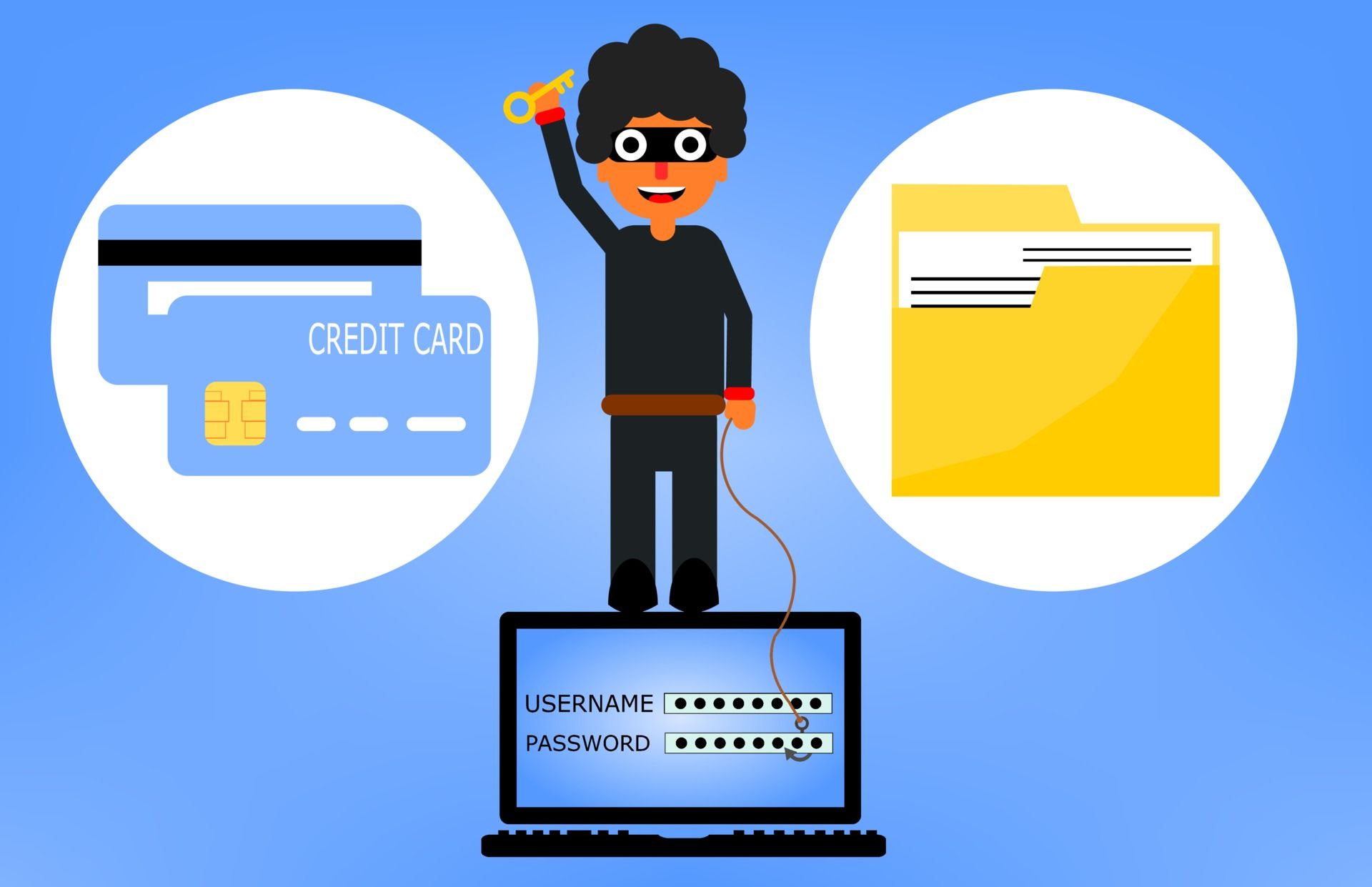
Someone used your Social Security number to open a credit card you never applied for. Or your bank flagged a loan application you did not submit. Or you found out your personal information was exposed in a data breach and now you are not sure what to do about it.
These situations are not all the same. And the steps you take depend on which one you are actually facing.
The difference between identity fraud vs. identity theft is not just legal hair-splitting. It changes whether you need a police report, a credit freeze, a bank dispute, or all three. This guide breaks it down clearly so you know exactly what you are dealing with and what to do next.
Start by documenting what happened with Unscammed before you take any other steps, so you have a clear record ready for your bank, the credit bureaus, or law enforcement.
Key Takeaways
Identity theft is the stealing of your personal information
Identity fraud is the use of that stolen identity for financial gain
Identity theft often requires a credit freeze and police report
Identity fraud usually requires bank disputes and fraud documentation
Many cases involve both, and each step builds on the other
Identity Fraud vs Identity Theft: Key Differences
People use these terms interchangeably, but they describe two different stages of the same crime. Understanding which stage you are in changes the actions you need to take.
| Category | Identity Theft | Identity Fraud |
|---|---|---|
| Definition | Stealing your personal information | Using stolen identity for financial gain |
| Financial loss | Not always immediate | Almost always |
| Credit impact | Possible | Common |
| Police report | Often recommended | Sometimes required |
| Credit freeze | Often required | Sometimes required |
The simplest way to think about it: identity theft is the break-in. Identity fraud is what happens after. A thief can steal your credentials and sit on them for months before using them. That means you could be a victim of identity theft without knowing it, until the fraud starts.
First, build your case with Unscammed to see if you're dealing with identity theft, fraud, or both before contacting the police or your bank.
What Is Identity Theft?
Identity theft is when someone obtains your personal information without your consent. The theft itself may not cause immediate financial damage, but it puts you at serious risk. Your Social Security number, date of birth, address, login credentials, or financial account details can all be stolen and held until the scammer is ready to use them.
Common ways identity theft happens: data breaches at companies that hold your information, phishing attacks that trick you into handing over credentials, physical theft of documents like your wallet or mail, and account takeover through compromised passwords.
| Identity Theft Example | Description |
|---|---|
| Stolen Social Security number | Your SSN is obtained through a breach or scam and can be used to file taxes, apply for loans, or open accounts |
| Data breach | A company holding your personal data is hacked and your credentials are exposed |
| Account takeover | A scammer gains access to your existing accounts using stolen login information |
| Impersonation | Someone uses your identity to establish a fake profile or pass verification checks |
If your personal information was exposed but has not been misused yet, you are at the theft stage. This is the moment to act before it becomes fraud.
What Is Identity Fraud?
Identity fraud is what happens when stolen personal information gets used. A criminal opens a credit card in your name, applies for a loan you did not request, files a tax return using your Social Security number, or drains a bank account. This is where the financial damage actually happens.
The distinction matters legally. Identity theft is the crime of obtaining your information unlawfully. Identity fraud is the crime of using it. In practice, both often happen together, but not always at the same time or by the same person.
| Identity Fraud Example | Description |
|---|---|
| Credit card fraud | Unauthorized charges made on existing accounts or new accounts opened in your name |
| Loan fraud | Fraudulent loan applications submitted using your identity |
| Bank fraud | Unauthorized withdrawals or transfers from your accounts |
| Tax fraud | A fake tax return filed under your Social Security number to claim your refund |
Report Identity Fraud with Unscammed
Which Is Worse: Identity Fraud or Identity Theft?
Both are serious. The better question is which causes more immediate harm, and the answer depends on how far the crime has progressed.
| Factor | Identity Theft | Identity Fraud |
|---|---|---|
| Immediate financial loss | Rarely | Almost always |
| Long-term credit impact | Yes | Yes |
| Recovery time | Can be long | Medium to long |
| Legal risk and complexity | High | High |
Here is what makes identity theft particularly damaging in the long run: you may not know it happened until months or years later, when the fraud is already extensive. A single data breach can expose your credentials to dozens of scammers who sell and trade that information over time.
Identity fraud is more immediately painful because the financial loss is real and visible. But identity theft creates a vulnerability that can be exploited repeatedly.
Many cases involve both. Your information is stolen first. Then it is used. Then it is sold and used again. That is why acting early, before fraud occurs, is so important.
When You Need a Police Report
Not every case of identity fraud vs. identity theft requires a police report, but many do. And having one significantly strengthens your position when disputing with banks and credit bureaus.
| Scenario | Police Report Needed |
|---|---|
| New accounts opened in your name | Yes |
| Loan fraud using your identity | Yes |
| Tax return filed under your SSN | Yes |
| Bank account fraud or unauthorized withdrawals | Sometimes |
| Identity exposure from data breach only | Not always, but recommended |
File a police report when there is documented financial harm or when your bank, credit bureau, or another institution asks for formal supporting documentation. If you have already completed an FTC identity theft report, bring that affidavit with you, along with your timeline, account records, and any proof of fraudulent activity. Many departments will ask for clear supporting evidence when you file.
A police report creates a case number. That case number is what financial institutions and credit bureaus use to verify your claim is legitimate, not just a dispute filed out of frustration.
When to Place a Credit Freeze
A credit freeze stops new creditors from accessing your credit file. This is one of the most effective steps you can take after identity theft, because it prevents a scammer from opening new accounts in your name even if they have your full personal information.
| Scenario | Credit Freeze Recommended |
|---|---|
| Social Security number stolen or exposed | Yes |
| Personal data exposed in a data breach | Yes |
| Fraudulent accounts already opened | Yes |
| Single unauthorized bank transaction | Sometimes |
| Phishing attack where credentials were entered | Yes |
A credit freeze is free. You place it separately with each of the three major credit bureaus: Equifax, Experian, and TransUnion. It does not affect your existing accounts or your credit score. It only stops new credit applications from being processed while the freeze is active.
If you need to apply for credit yourself, you can temporarily lift the freeze and reinstate it afterward.
Can Identity Theft Happen Without Fraud?
Yes. And this is one of the most important things to understand about identity fraud vs identity theft.
Your personal information can be stolen and sit unused for months. A scammer who obtained your Social Security number in a data breach may not use it immediately. They may sell it. The buyer may sit on it. By the time fraud actually occurs, it can be years after the original theft.
This is why monitoring matters even when nothing has gone wrong yet.
| Situation | Recommended Action |
|---|---|
| Data breach notification received | Monitor your credit report closely and consider a freeze |
| Lost wallet or stolen physical documents | Freeze your credit immediately and place a fraud alert |
| Phishing email clicked or credentials entered | Change passwords, monitor accounts, and set up alerts |
| SSN exposed but no fraudulent accounts yet | Place a fraud alert with credit bureaus and file an FTC report |
If you know your information was stolen, treat it as a serious threat even if nothing has happened yet. The time between theft and fraud is the window where a credit freeze or fraud alert can stop the damage before it starts.
How to Report Identity Fraud vs Identity Theft
The reporting steps differ depending on whether you are dealing with theft, fraud, or both. In many cases, you will end up doing several of these steps. Start by organizing your evidence, then move into the FTC, your bank, the credit bureaus, and law enforcement based on the type of case you are facing.
| Step | Identity Theft | Identity Fraud |
|---|---|---|
| FTC report at IdentityTheft.gov | Yes | Yes |
| Bank dispute | Sometimes | Yes |
| Credit freeze | Yes | Sometimes |
| Police report | Often | Sometimes |
| Credit bureau fraud alert | Yes | Yes |
For identity theft: File with the FTC first. Place a fraud alert or credit freeze with all three credit bureaus. File a police report if accounts were opened or if you need documentation for disputes. Monitor your credit report closely.
For identity fraud: Contact your bank or creditor immediately to dispute unauthorized transactions. File with the FTC. Provide documentation including transaction records, communication logs, and a police report if required. Request written confirmation of all disputes.
Start with Unscammed to organize your evidence before you contact any institution, so each report you file is based on a cleaner, more complete record of what happened.
Identity Theft vs Impersonation
Impersonation is a specific type of identity misuse that often overlaps with both identity theft and identity fraud. It is worth understanding on its own because it shows up in scams differently.
Impersonation happens when someone pretends to be you, not necessarily by using your credentials, but by adopting your identity in communications, applications, or interactions. A scammer might use your name and Social Security number to apply for government benefits. Or they might use stolen documents to pass identity checks.
| Type | Description |
|---|---|
| Impersonation | Pretending to be the victim in communications or applications |
| Identity theft | Stealing personal data including SSN, credentials, or documents |
| Identity fraud | Using stolen identity to commit financial crimes |
The lines between these often blur in real cases. A scammer impersonates you by using your stolen identity to commit fraud. All three concepts can apply to the same criminal act. What matters is documenting what happened clearly so that each institution you report to understands the full picture.
How to Protect Against Identity Fraud and Theft
The best time to act is before the fraud happens. Once your information is out there, protection becomes harder. These steps reduce your risk and improve your ability to catch problems early.
Credit Monitoring
Sign up for a credit monitoring service that alerts you when new accounts are opened, inquiries are made, or your personal information appears somewhere unexpected. Many banks offer this free through their apps.
Fraud Alerts
A fraud alert tells lenders to take extra steps to verify your identity before opening new accounts. It is less restrictive than a credit freeze but adds a layer of protection. Place one with any of the three credit bureaus and they are required to notify the other two.
Credit Freeze
The strongest available protection. A freeze blocks all new credit inquiries until you lift it. Free, effective, and available to anyone regardless of whether fraud has occurred yet.
Account Alerts
Set up real-time transaction alerts on every bank account, credit card, and financial account you hold. The faster you spot an unauthorized transaction, the faster you can dispute it.
| Protection Method | Key Benefit |
|---|---|
| Credit freeze | Prevents new accounts from being opened in your name |
| Fraud alert | Notifies lenders to verify identity before approving credit |
| Credit monitoring | Detects changes to your credit report in real time |
| Account transaction alerts | Flags unauthorized activity the moment it occurs |
Monitor Identity Theft Risk with Unscammed
Know What You Are Dealing With, Then Act
The difference between identity fraud vs identity theft is not just a terminology question. It determines which institutions you contact, what documentation you need, and whether a police report or credit freeze should be your first move.
Identity theft happened to you. Identity fraud is what the criminal did with what they took. In many cases you are dealing with both, and the steps overlap. But knowing which stage you are at helps you prioritize.
If your information was stolen: freeze your credit, file an FTC report, place a fraud alert, and monitor closely.
If fraud has already occurred: dispute with your bank, file a police report, submit your FTC affidavit, and escalate to the CFPB if your claim is denied.
Either way, start by getting your evidence organized. Unscammed helps you document everything clearly before you contact the police, your bank, or the credit bureaus, so you can move faster and support your case more effectively.
FAQ: Identity Fraud vs Identity Theft
Is identity theft the same as identity fraud?
No. Identity theft is the crime of stealing your personal information. Identity fraud is the crime of using that stolen information for financial gain. They often happen together but are legally and practically distinct.
Which is worse: identity fraud or identity theft?
Both are serious. Identity fraud causes immediate financial harm. Identity theft creates a long-term vulnerability that can be exploited repeatedly over time, sometimes without your knowledge for months or years.
How do I report identity fraud?
Contact your bank's fraud department to dispute unauthorized transactions. File a report with the FTC at IdentityTheft.gov. File a police report if new accounts were opened or if your bank requires documentation. Submit to the CFPB if your bank denies your claim.
How do I report identity theft?
File with the FTC at IdentityTheft.gov to generate an official affidavit. Place a fraud alert or credit freeze with all three credit bureaus. File a police report if accounts were opened in your name. Monitor your credit report for new activity.
Can identity theft happen without fraud?
Yes. Your personal information can be stolen and not used immediately. Scammers often sell stolen credentials, meaning fraud can occur months or years after the original theft. This is why acting quickly after a data breach or suspected theft matters.
What counts as identity fraud?
Any use of your stolen personal information for financial gain. This includes opening credit cards or loans in your name, filing a fraudulent tax return, making unauthorized withdrawals from your bank account, or using your identity to pass verification checks for benefits or services.
Featured Articles