Top Scam Reporting Platforms for 2025
The best scam reporting tools help victims document fraud, submit complaints to the right agencies, and build evidence for bank disputes and investigations. Different platforms specialize in different scam types. Using the right combination, starting with a centralized tool, gives you the strongest possible case.
 Share:


You were scammed. Or you think you were. Either way, you need to report it, and fast, but you are looking at a list of agencies and platforms and not sure where to start or which ones actually matter. That confusion shows up all the time in submitted reports. People usually don’t need more places to file. They need to know what each report actually does, and what they should do first.
Different scams need different reporting routes, and that’s where people get stuck. Identity theft starts at IdentityTheft.gov, cyber-enabled fraud goes to IC3, and bank complaints go to the CFPB. But a lot of people who contact us aren’t dealing with one clean issue. They’re dealing with a bank problem, a fraud report, and a mess of screenshots at the same time. The right tools, used in the right order, make a real difference.
This guide breaks down the best scam reporting tools by scam type, explains what each one does, and helps you build a reporting strategy that gives investigators and financial institutions what they need to act.
Start by documenting your case withUnscammed's scam reporting dashboard. Unscammed helps you pull the timeline, evidence, and key details into one report, so you’re not rewriting the same story for every agency, bank, or platform.
Key Takeaways
1.The best scam reporting tools centralize your fraud documentation in one place
2.Different platforms specialize in different scam types: government tools for legal documentation, private tools for case management
3.Reporting early and across multiple channels improves your recovery chances
4.Evidence uploaded to a reporting platform strengthens bank disputes and police reports
5.Multi-platform reporting increases the visibility of your case with investigators and agencies
What Scam Reporting Platforms Actually Do
Before comparing tools, it helps to understand what you are actually looking for. A scam reporting platform is not just a place to vent. The best ones generate documentation that law enforcement, financial institutions, and credit bureaus will accept.
| Feature | Purpose |
|---|---|
| Report submission | Submit your fraud details to a searchable database or agency |
| Evidence upload | Attach screenshots, messages, transaction records, and timelines |
| Case tracking | Monitor the status of your complaint and follow up |
| Intelligence sharing | Contribute to public databases that warn other victims |
| Report generation | Produce structured documentation for bank disputes and police reports |
The most useful platforms combine several of these. A tool that lets you submit a report but gives you no case number, no tracking, and no documentation to share with your bank is less useful than one that does all of it.
A common pattern we see in submitted reports is that people start filing before they’ve got the facts straight. Then they end up telling the same story three or four different ways, and that slows everything down. It’s easier to move fast when the timeline is already clear.
Start your scam report with Unscammed to get organized documentation before you file with any government agency.
Best Scam Reporting Tools by Scam Type
Different scams route to different platforms. Using the right one improves your chances of the report being investigated and acted on.
| Scam Type | Primary Reporting Platform | Secondary Options |
|---|---|---|
| Identity theft | FTC IdentityTheft.gov | Local police, credit bureaus |
| Crypto scams | IC3 (ic3.gov), Chainabuse | FTC, blockchain analytics platforms |
| Payment fraud (Zelle, wire) | Your bank's fraud department | CFPB, FTC |
| Online shopping scams | FTC reportfraud.ftc.gov | BBB Scam Tracker, state AG |
| Phishing scams | reportphishing@apwg.org, Google Safe Browsing | FTC, your email provider |
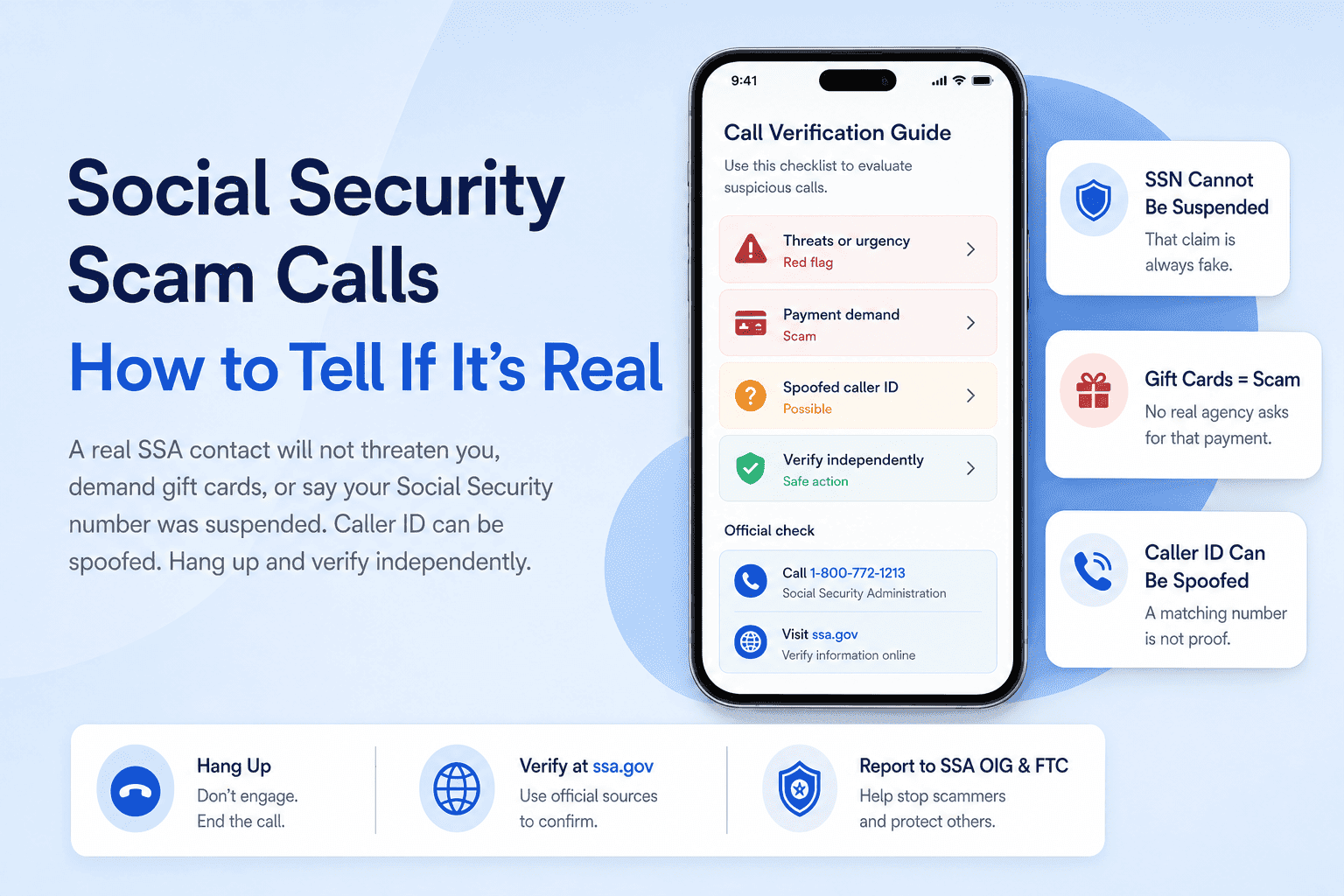
| Phone scammer reports | FCC (fcc.gov/consumers/guides/filing-informal-complaint) | FTC, state AG |
| Romance or investment scams | FTC, IC3 | Local law enforcement |
| Mixed or complex scams | Unscammed | FTC, IC3, CFPB, local police, your bank, or the platform involved |
No single platform covers everything. That is why combining a centralized private tool with the relevant government agency gives you the most complete documentation trail.
Government Scam Reporting Sites
Government platforms create official, legally recognized complaint records. They are free, they feed into national fraud databases, and they are what financial institutions and law enforcement look for when they verify your claim.
| Platform | Agency | Best For |
|---|---|---|
| reportfraud.ftc.gov | Federal Trade Commission | All consumer fraud types |
| IdentityTheft.gov | FTC | Identity theft specifically, generates affidavit |
| ic3.gov | FBI Internet Crime Complaint Center | Cybercrime, online fraud, crypto scams |
| consumerfinance.gov/complaint | CFPB | Bank, lender, and financial product complaints |
| usa.gov/report-scam | Federal portal | Routes to correct federal agency by scam type |
| fcc.gov | Federal Communications Commission | Phone scams, robocalls, spoofed numbers |
| ActionFraud.police.uk | UK National Fraud Reporting | UK-based victims |
The FTC and IC3 are your two most important government filing destinations for most scam types in the United States. The FTC generates a report ID and a consumer affidavit. The IC3 feeds directly into FBI investigations and cross-references reports to identify organized fraud networks.
Filing with both takes less than thirty minutes and creates documentation that carries real weight.
Private Scam Reporting Platforms
Government tools matter, but they aren’t built to manage the whole case. Private platforms fill that gap in different ways. BBB Scam Tracker is useful when the goal is public warning, and Chainabuse is useful when the scam involves a wallet address.
Unscammed fits earlier in the process, when you need to get the facts straight, send the report where it needs to go, and keep everything in one place.
| Feature | Why It Matters |
|---|---|
| Centralized dashboard | Track all your reports, evidence, and follow-up actions in one place |
| Multi-scam support | Report identity theft, payment fraud, phishing, and crypto scams from one platform |
| Evidence storage | Upload and organize screenshots, messages, and transaction records |
| Structured case documentation | Generate reports in a format that banks and law enforcement will accept |
| Guidance through the process | Step-by-step support so you know what to do next and in what order |
Other private platforms worth knowing about include the BBB Scam Tracker, which publishes reported scams publicly and is particularly useful for online shopping and contractor fraud. Chainabuse is a public blockchain scam database useful for crypto victims. ScamAdviser helps verify whether a website is legitimate before you engage.
Best Scam Reporting Tools for Identity Theft
Identity theft reporting has a specific process, and using the wrong platform or the wrong order slows everything down.
Start with IdentityTheft.gov. It is the FTC's dedicated identity theft portal. It generates an official identity theft affidavit, creates a personalized recovery plan, and produces documentation you can hand directly to your bank, credit bureaus, and local police.
| Feature | Why It Helps |
|---|---|
| FTC identity theft affidavit | Required by many banks and credit bureaus to process disputes |
| Personalized recovery plan | Guides you through each step in the correct order |
| Police report support | Prepares documentation you bring to law enforcement |
| Credit bureau alert integration | Helps you place fraud alerts at all three major bureaus |
| Case tracking | Lets you update your report as new fraud is discovered |
After IdentityTheft.gov, file with your local police department. Bring the FTC affidavit and get a case number. If you’re using Unscammed, keep the affidavit, police report, bank communication, and next steps there, so nothing gets lost as the case moves.
Crypto Scam Reporting Platforms
Crypto fraud has its own reporting ecosystem because standard financial fraud tools were not built for blockchain transactions. Recovering crypto is harder than recovering bank funds, but reporting still matters for investigations and for warning other victims.
| Platform | What It Does |
|---|---|
| IC3 (ic3.gov) | FBI accepts crypto fraud complaints and investigates large-scale schemes |
| FTC reportfraud.ftc.gov | Federal documentation for crypto investment fraud and romance scams |
| Chainabuse (chainabuse.com) | Public blockchain scam database. Report wallet addresses used in fraud |
| CISA (cisa.gov/report) | For ransomware and crypto extortion targeting businesses |
| Your crypto exchange | Report directly to the platform where the scam occurred |
Report the scammer's wallet address to Chainabuse even if you do not expect direct recovery. Other victims and investigators use that database. A wallet address that appears in multiple reports is more likely to trigger an investigation than a single isolated complaint.
The IC3 is the most important destination for large crypto fraud cases. The FBI's financial crimes unit actively investigates reports filed there, particularly for investment fraud schemes, romance scams involving crypto transfers, and ransomware.
Submit a Crypto Scam Report Using Unscammed.
Payment Scam Reporting Tools
Payment fraud routes differently depending on whether you used a bank transfer, a peer-to-peer app, a credit card, or a wire transfer. Your bank is always the first call, but it is not the only one.
| Payment Scam Type | Primary Reporting Option | Escalation Option |
|---|---|---|
| Bank account fraud | Bank fraud department | CFPB complaint |
| Zelle scam | Bank fraud department | CFPB, FTC |
| Credit card fraud | Card issuer dispute line | CFPB if denied |
| Wire transfer fraud | Bank fraud department, FBI | IC3, CFPB |
| PayPal or Venmo scam | Platform dispute center | FTC, CFPB |
| Check fraud | Bank fraud department | FTC, local police |
Time is the most critical factor in payment fraud recovery. The sooner you contact your bank, the better the chance of a reversal or freeze before funds are moved again. File with the CFPB if your bank denies your dispute, because banks are required to respond to CFPB complaints within fifteen days.
Submit a Payment Scam Report Using Unscammed.
How to Choose the Best Scam Reporting Tool for Your Situation
Not every victim needs every platform. Match the tool to your scam type and your immediate need.
| Feature to Look For | Why It Matters |
|---|---|
| Multi-scam type support | Many fraud cases involve more than one scam category |
| Evidence upload capability | Banks and law enforcement need documented proof, not just descriptions |
| Case tracking and follow-up | Recovery can take weeks or months. You need to track what you have filed |
| Law enforcement integration | The best tools connect your report to the right investigators |
| Free to use | Most official and reputable reporting platforms charge nothing |
| Structured report output | Generates documentation in a format banks and credit bureaus accept |
Avoid platforms that charge fees for basic scam reporting. Legitimate government and consumer protection platforms are free. A tool that charges you to submit a report is a red flag worth noticing.
Which Scam Reporting Tool Works Best?
The best tool depends on what you need first. If you need an official fraud report, start with the FTC. If you need an identity theft recovery plan, start with IdentityTheft.gov. If you need FBI visibility, file with IC3. And if you need to keep the evidence, timeline, and follow-ups straight across all of them, that’s where Unscammed fits.
| Situation | Best Reporting Approach |
|---|---|
| Identity theft | IdentityTheft.gov plus local police plus credit bureau fraud alert |
| Crypto investment scam | IC3 plus Chainabuse plus exchange fraud report |
| Payment or bank fraud | Bank fraud department plus CFPB plus FTC |
| Online shopping scam | FTC plus BBB Scam Tracker plus credit card dispute |
| Phone or text scam | FCC plus FTC plus block and document the number |
| Mixed or complex scam | Centralized private tool to organize, then file with all relevant agencies |
The most common mistake victims make is filing with one agency and stopping there. A single FTC report is valuable, but it becomes significantly more powerful when combined with a police report, a bank dispute with documentation, and a credit bureau fraud alert. Each layer adds credibility and creates pressure on the institutions involved.
UseUnscammed's unified scam reporting platform if you want one place to keep the evidence, reporting trail, and next steps together before you start filing across multiple agencies.
Build Your Reporting Stack, Not Just a Single Report
The best scam reporting tools are not competitors. They are layers. Each one contributes something different: the FTC creates federal documentation, the IC3 routes to law enforcement, the CFPB puts pressure on financial institutions, and a centralized private tool keeps everything organized so nothing falls through the gaps.
Victims who report to multiple platforms, with consistent documentation, and who follow up regularly recover more often and more completely than those who file once and wait.
Report Your Scam with Unscammed.
FAQ: Best Scam Reporting Tools
Where do I report a scam online?
Start with the FTC at reportfraud.ftc.gov for most consumer scams. For cybercrime and crypto fraud, file with the FBI at ic3.gov. For bank and payment issues, use the CFPB at consumerfinance.gov. For identity theft specifically, go to IdentityTheft.gov.
What are the official scam reporting tools?
The main U.S. government platforms are the FTC (reportfraud.ftc.gov), FBI IC3 (ic3.gov), CFPB (consumerfinance.gov/complaint), and FCC (fcc.gov) for phone scams. IdentityTheft.gov is the dedicated portal for identity theft victims.
Can I report fraud online for free?
Yes. Every major government reporting platform is free to use. The FTC, IC3, CFPB, and IdentityTheft.gov all accept complaints at no cost. Private tools like Unscammed also offer free scam reporting. Any platform charging a fee for basic fraud reporting is itself a red flag.
Where do I report a phishing scam?
Forward phishing emails to reportphishing@apwg.org and to your email provider's abuse team. Report to the FTC at reportfraud.ftc.gov. If the phishing impersonated a specific company, contact that company's security team directly. Google and Microsoft both have phishing report options built into their email platforms.
Which scam reporting tool works best overall?
No single tool covers everything. The most effective approach combines a centralized private tool for documentation with the relevant government agencies for your scam type. For identity theft that is IdentityTheft.gov and local police. For crypto it is IC3 and Chainabuse. For payment fraud it is your bank plus the CFPB.
Featured Articles